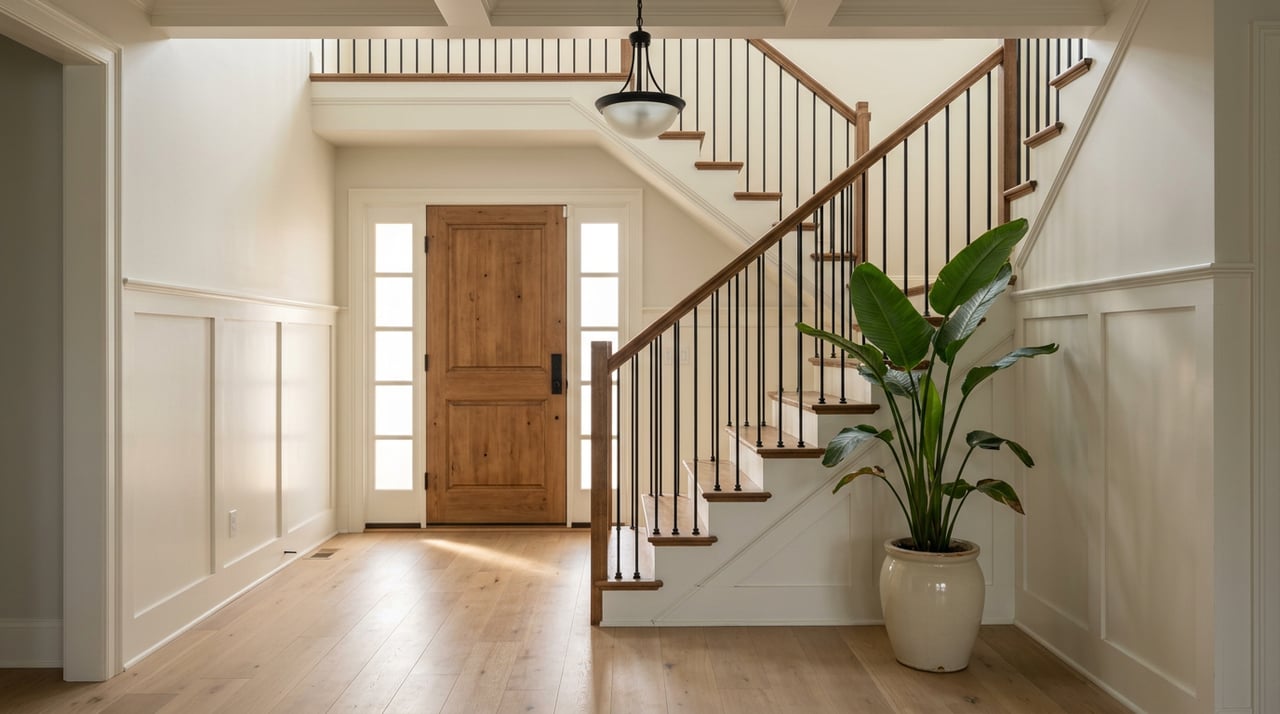
Peachtree City Cart Path Updates for 2026
August 20, 2026
August 20, 2026
Ask five people at a Peachtree City cookout why the paths always seem to be under repair somewhere, and at least three will blame cart traffic. Too many carts, too much weight, too many out-of-towners driving in from Tyrone and Fayetteville to use a system they didn't pay for. It's the most common theory in town, and this year the data caught up with it.
A resident's breakdown of the city's own traffic counts, published in The Citizen this summer, tracked cart movement on Crabapple Lane between Tyrone and Kedron Hills over 32 weeks. The average was 159 carts a week, about 23 a day. The peak week hit 216, or roughly 31 a day. That's not a flood. That's a handful of neighbors running errands. And according to Peachtree City Public Works officials quoted in the same piece, the real reason paths buckle and need repaving isn't cart weight at all. It's tree roots pushing up from underneath the pavement, which is exactly what you'd expect in a city that has spent decades protecting its tree canopy as hard as it built its path network.
That distinction matters more than it sounds like it should, because it explains almost everything else happening on the path system this year: where the money for repairs comes from, why certain corridors are getting worked on right now, and why the fight over regional path access keeps resurfacing at council meetings even though the numbers don't support the fear driving it.
Path construction and repaving in Peachtree City don't come out of property taxes. New miles get built through impact fees on new development and requirements that developers tie their projects into the existing network. Repaving the miles that already exist is funded through the countywide 1% SPLOST. No SPLOST, no repaving budget. That's the whole mechanism, and it's why the city's current policy on tree removal near paths reads less like an aesthetic choice and more like a cost-control decision: cutting back trees and clearing a four-foot buffer on both sides of a path when it's repaved reduces how often root damage forces the city back out to that same stretch.
If you've ever wondered why some sections of path look freshly cleared while others sit shaded and cracked under decades-old oaks, that's the tension playing out in real time. Fewer trees means fewer repaving cycles. More trees means the Tree City USA reputation residents actually like, at the cost of a pavement budget that has to work harder to keep up.
Two projects on the ground make that funding logic visible. A new shared-use path went into construction along North Peachtree Parkway near the North Hill subdivision, connecting the stretch between Loring Lane and Tinsley Mill Road. The city asked drivers to expect periodic lane impacts and slower travel through that corridor while crews worked on the connection.
Separately, a section of Avalon Way near 716 Avalon Way was closed in mid-June for stormwater pipe maintenance, the kind of underground infrastructure work that rarely gets attention until it closes a road for a few days. Neither project is glamorous, but both are the sort of thing a resident notices on a commute long before it shows up in any market report.
If your golf cart still has its old-style decal in a single spot, it's worth checking. In October 2025, City Council amended the Motorized Cart Ordinance to require decals on both the front and rear of every registered cart, each placed somewhere unobstructed and clearly visible. The new decal format went out with 2026 renewals, and the standard renewal cycle itself shifted: residents now pay $45 for a three-year registration covering 2026 through 2028, with that cycle's notices mailed in January and due by the end of March. If you missed that window, a $20 late fee applies, and it's worth settling before path patrol has a reason to flag you.
None of this changes if you're buying a cart today. New carts still have to be registered within 10 days of purchase, in person at City Hall, with proof of ownership and photo ID in hand.
The path network has always doubled as the city's actual dining district, since a good share of residents cart to dinner instead of driving. This year gave that habit three new stops.
Put those three next to each other and a pattern shows up that has nothing to do with cart wear. The independent, chef-driven openings are landing on the north side of town in Kedron Village, while the national brands keep stacking up at The Avenue and along Market Place Boulevard. If you're deciding where to eat Friday night, that split is starting to be the more useful piece of local knowledge than any list of restaurant names on its own.
Frederick Brown Jr. Amphitheater, the 2,500-seat venue everyone just calls The Fred, has run through a full stretch of its 2026 summer lineup. Peppa Pig's My First Concert drew families in April. One Vision of Queen played in early May. Josh Turner and John Waite each took the stage on back-to-back nights in late May. Atlanta Rhythm Section and Everclear followed in early June. The same season's bill also carries names like 38 Special, Boz Scaggs, and Ann Wilson of Heart, the kind of lineup that has kept the venue's calendar full from spring straight through summer.
Like the new restaurants, The Fred isn't reachable by cart path in the literal sense that a driveway is, but it sits inside the same network of villages and shopping centers that the paths were built to connect. It's one more destination on a list of reasons the system gets used for something other than novelty.
The paths aren't being loved to death by cart traffic, and outsiders aren't the strain on the system that some council debates make them out to be. What's actually reshaping Peachtree City this year is a mix of quiet, unglamorous infrastructure work, a paperwork change most cart owners haven't noticed yet, and a wave of new businesses choosing their addresses based on which corridor gets more feet and cart tires past the door. None of that shows up if you're only asking whether the paths need fixing. It shows up when you ask what's actually driving the decisions behind them.
If you're a longtime Peachtree City resident weighing what all of this means for your own property, or you're just curious what a specific address in Wilksmoor, Kedron, or Braelinn is worth in today's market, Pristine Realty Group keeps a close eye on how these local shifts play out block by block. Our instant home valuation tool is a fast way to get a real number, and we're always glad to talk through what's actually happening in your corner of town.
Stay up to date on the latest real estate trends.
Get assistance in determining current property value, crafting a competitive offer, writing and negotiating a contract, and much more. Contact us today.