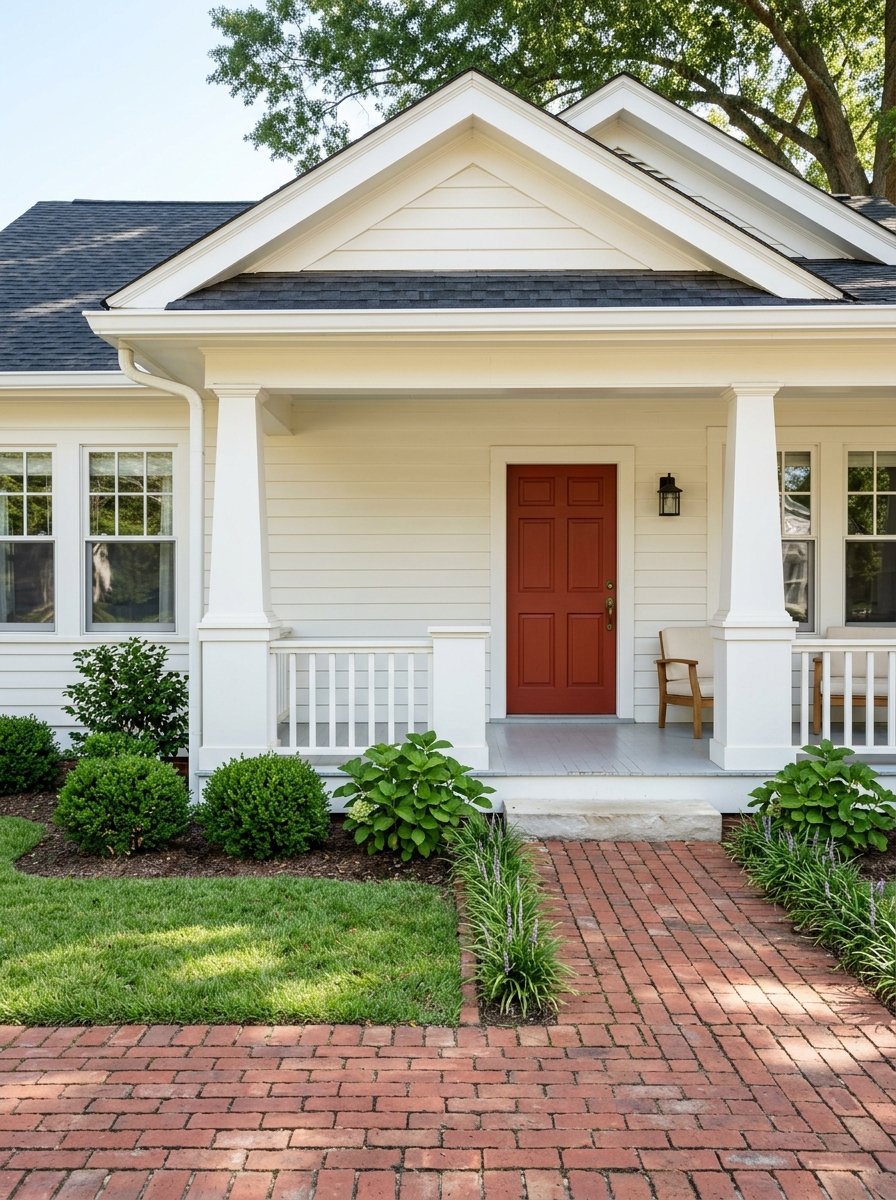
Senoia New vs Historic Homes: How to Choose
July 2, 2026
July 2, 2026
Wondering whether a new home or a historic home is the better fit in Senoia? You are not alone. In a city that is growing quickly while protecting its traditional character, that choice can shape your daily lifestyle, future maintenance, and even how you plan updates down the road. This guide will help you compare both options in Senoia so you can decide with more confidence. Let’s dive in.
Senoia is growing, but it is still very much a small city. The U.S. Census Bureau estimated Senoia’s population at 6,276 on July 1, 2025, which reflects 25.0% growth from April 1, 2020. That kind of growth helps explain why the city is working to balance preservation, infill, and new residential development instead of leaning only one way.
The city’s comprehensive plan supports walkable, safe, and attractive neighborhoods with access to parks, services, sidewalks, trails, and connected streets. It also encourages development close to the traditional core while preserving open space and environmentally sensitive land. For you as a buyer, that means both historic and newer homes can offer strong lifestyle benefits, but they tend to deliver them in different ways.
Much of Senoia is part of a historic district listed on the National Register of Historic Places. The city describes architecture dating back to the 1840s, with much of downtown dating to the turn of the century. That gives many in-town homes a sense of place that is tied to the streetscape, building materials, and overall setting, not just the age of the house.
Senoia’s historic design materials also point to a wide mix of architectural styles. You may see older gabled clapboard buildings, flat-roofed brick structures, and residential styles such as the I-house, Victorian Gothic, and Bungalow. If character matters to you, that variety is often part of the appeal.
A historic in-town home is often about more than curb appeal. You may be buying into a traditional street grid, established sidewalks, and a more closely woven connection to downtown. In Senoia, that can be especially attractive if you want a home that feels tied to the city’s long-standing pattern of growth.
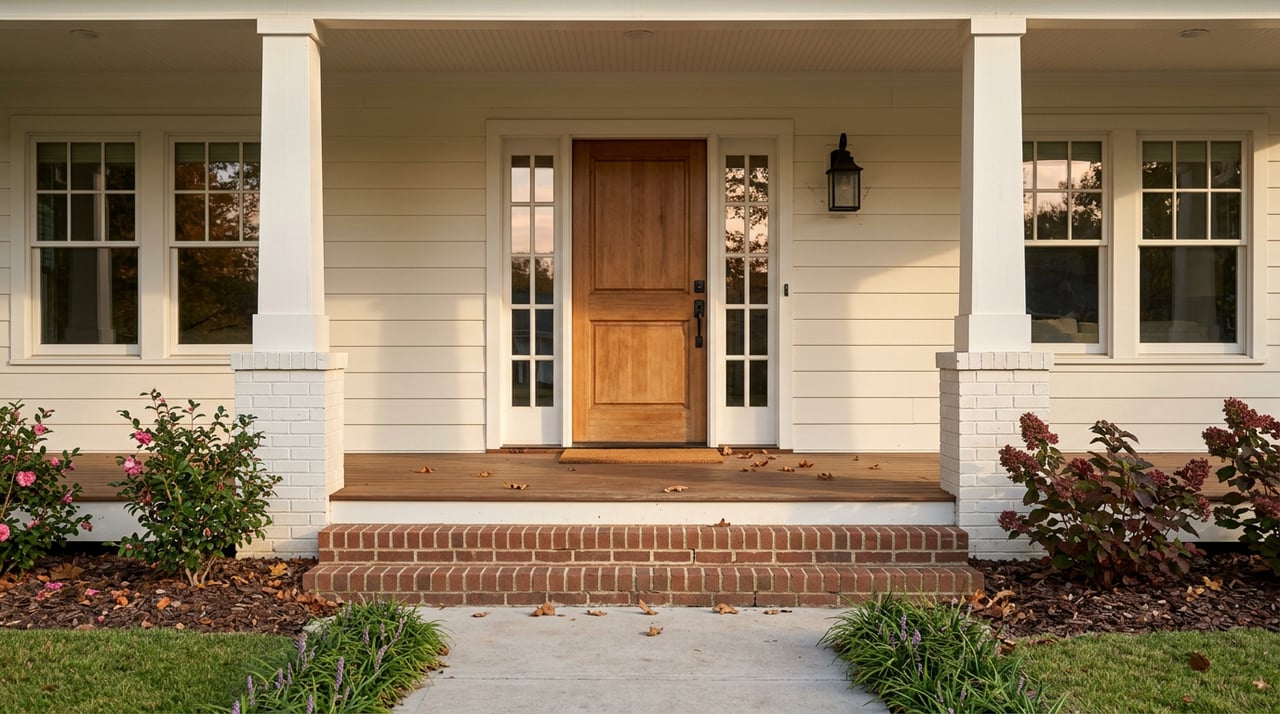
Historic homes also tend to appeal to buyers who value authenticity and original details. Materials, proportions, and exterior features often create a look that newer homes try to echo but cannot fully duplicate. For some buyers, that charm is the deciding factor.
In Senoia’s historic area, exterior changes are not casual. The Historic Preservation Commission reviews Certificates of Appropriateness, and the city says recommendations are based on design, scale, building material, setback, and site features. That means your plans for exterior updates may need more review than they would in a newer neighborhood.
The city’s design guidelines also say that new construction should complement the historic area rather than interrupt it. Even if you are not planning a major renovation right away, it is smart to understand how these standards may affect future projects. A porch change, window replacement, or exterior addition may involve a process that takes more thought and planning.
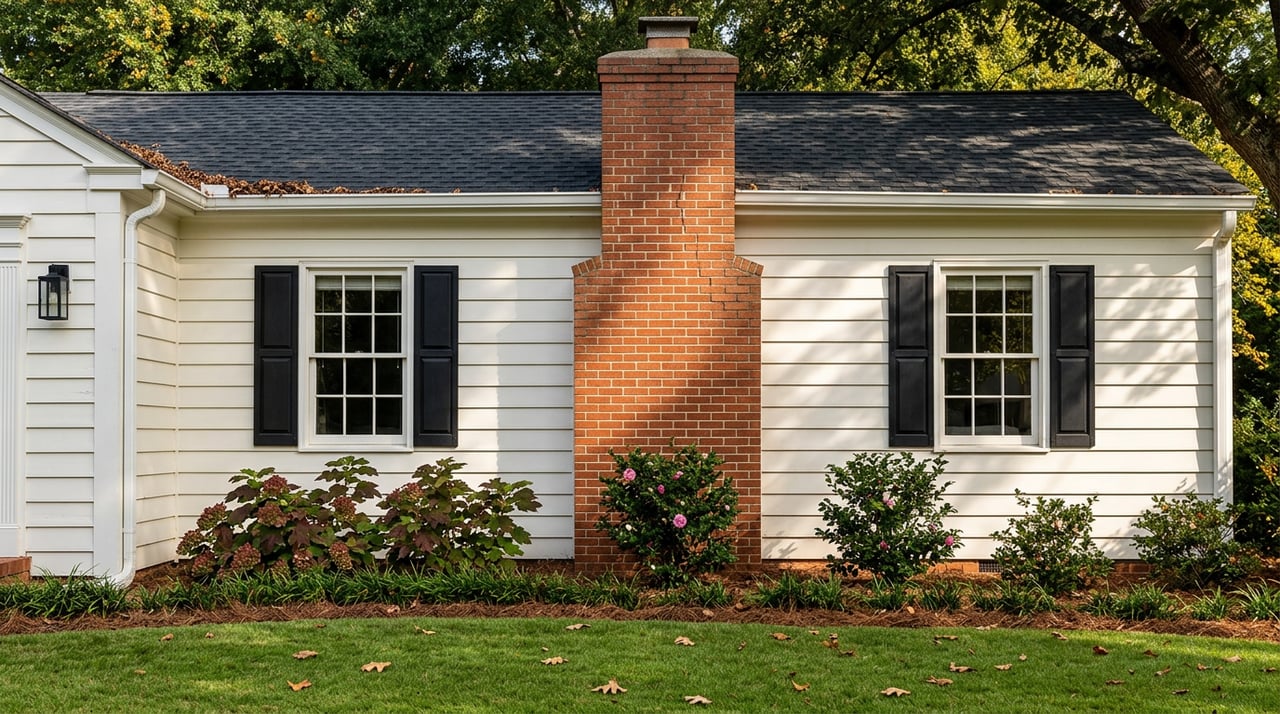
If you are drawn to an older home, expect maintenance decisions to look different from those in a newer property. Guidance referenced in the research report notes that distinctive historic features are generally repaired rather than replaced when possible. It also notes that windows and doors can often be repaired or upgraded for energy performance, and replacement materials should closely match the original feature’s visual and physical qualities.
That does not automatically mean a historic home is harder to own. It does mean you should be comfortable with preservation-style upkeep and with making choices that protect the home’s original character. For the right buyer, that is part of the value.
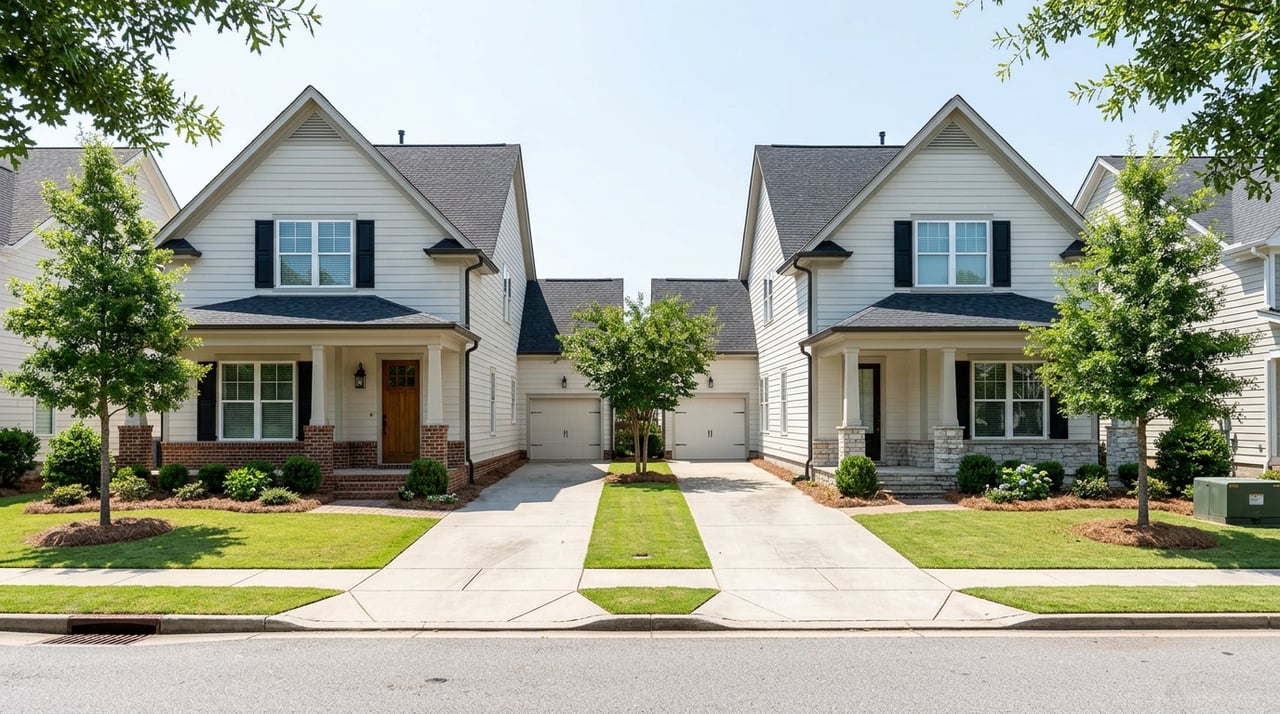
Newer Senoia homes are often found in residential subdivision areas near downtown and along main thoroughfares. The city’s comprehensive plan supports these areas while also encouraging sidewalks, trails, and stronger street connections to commercial areas and future development. So while newer neighborhoods may not follow the same historic street pattern, they are still being shaped around connectivity.
In some cases, newer development is also tied to conservation goals. The city supports compact conservation subdivisions that preserve wetlands, floodplains, stream corridors, natural buffers, and greenways. That means a newer neighborhood may be designed around shared open space instead of giving every home a large private yard.
For many buyers, the biggest advantage of a newer home is predictability. New construction is generally governed by standard permitting and inspection processes through Senoia’s building department, with SafeBuilt handling code inspections, including for single-family homes. If you want a clearer picture of how the home was approved and built, this process can feel more straightforward.
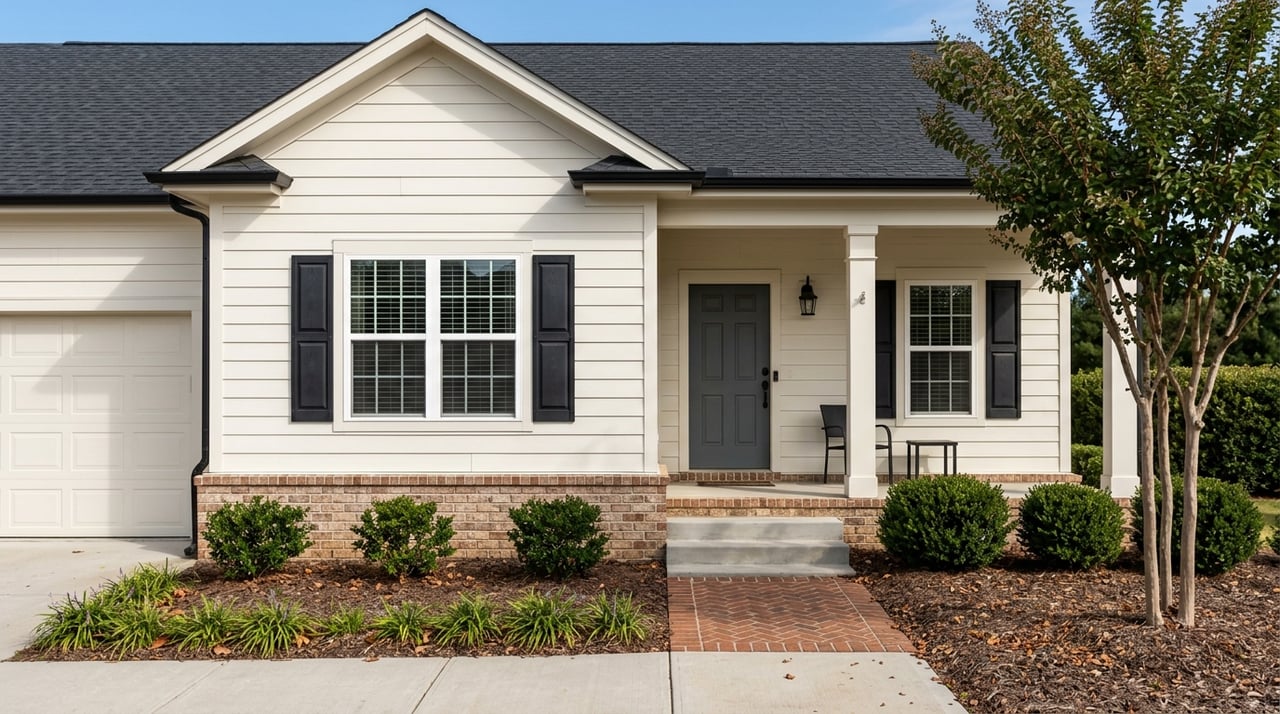
Newer homes can also mean fewer immediate repair surprises. Systems, materials, and construction methods are more current, which can be helpful if you want to settle in without taking on a long list of early projects. That peace of mind matters to many buyers.
If energy efficiency and durability are high on your list, newer homes may have an advantage in principle. The research report notes that modern high-performance new homes are designed around energy savings, comfort, health, and durability. That does not mean every new home in Senoia has a special certification, but it does point to the direction newer construction can take.
This is one reason many move-up buyers look closely at newer homes. You may find that the layout, materials, and systems align better with your day-to-day priorities. That can be especially appealing if you want lower-maintenance living.
The right choice often comes down to how you want to live, not which type is objectively better. In Senoia, both options can connect you to the city’s broader vision for walkability and neighborhood design. The difference is how that experience usually shows up on the ground.
Historic homes are often the stronger fit if you want an established street grid and a more traditional in-town feel. The research report indicates that historic residential areas are expected to follow narrow streets on a grid with pedestrian access, parks, sidewalks, and trails. That can create a more rooted, connected feel for daily life.
Newer neighborhoods are also being asked to build toward connectivity goals. You may find sidewalks, trail access, and stronger links to commercial areas and future development. The feel may be different, but the planning direction still supports access and connection.
Lot size is not as simple as historic versus new. In Senoia, the more useful question may be whether you prefer a private yard or shared open space. Historic in-town lots may feel smaller and more intimate, while some newer conservation-oriented neighborhoods preserve more common open space instead of offering a large exclusive yard for each home.
If outdoor living is a priority, look closely at how the lot functions. A home with less private yard area may still offer access to meaningful green space nearby. The key is understanding what belongs to you directly and what is shared.
If you already know you want to make exterior changes, a newer home may give you more flexibility outside the historic overlay. In-town historic homes can be rewarding, but they often come with an approval process tied to preserving the surrounding character. That process is important in Senoia, and it can influence both budget and timing.
On the other hand, if you love the existing look of a historic home and do not plan to change much on the exterior, those standards may feel less limiting. In that case, the character may outweigh the extra rules.
Resale is not just about price. It is also about who is likely to want the home when you are ready to sell. In Senoia, historic homes and newer homes may attract different buyer pools.
Historic homes can appeal strongly to buyers who want downtown access, architectural character, and authenticity. At the same time, the Certificate of Appropriateness process and repair-first mindset may narrow the audience to buyers who are comfortable with preservation guidelines. That does not make resale weaker, but it can make the buyer pool more specific.
Newer homes may attract buyers who want newer systems and fewer approval hurdles. However, they may also compete more directly with similar homes in the same subdivision. If resale is important to you, it helps to think about not just what you like today, but who may want the home later.
Before you fall in love with a property, ask a few practical questions that fit Senoia’s local rules and planning framework.
If you are deciding between a historic home and a newer home in Senoia, start with your daily priorities. Think about whether you care more about architectural character or easier predictability, about a traditional in-town setting or a newer neighborhood plan, and about private yard space versus shared open space. Those answers usually point you in the right direction.
It also helps to work with a local brokerage that understands both the lifestyle side of the decision and the land-use framework behind it. In a market like Senoia, that local knowledge matters because zoning context, overlay rules, neighborhood design, and future connectivity plans can all shape your long-term experience.
If you want help comparing homes, neighborhoods, and future tradeoffs in Senoia, connect with Pristine Realty Group, LLC. You will get local guidance grounded in Coweta County experience and a thoughtful approach to finding the right fit for your goals.
Stay up to date on the latest real estate trends.
Get assistance in determining current property value, crafting a competitive offer, writing and negotiating a contract, and much more. Contact us today.