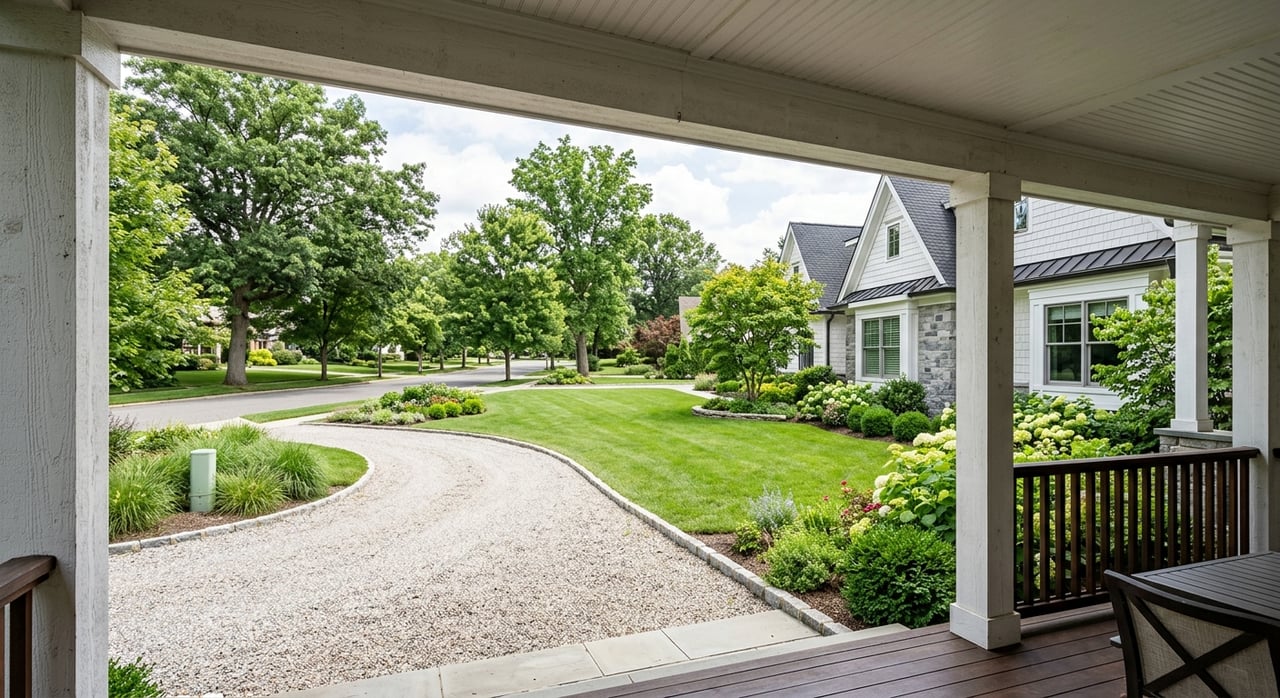
How to Buy Acreage in Alvaton and Gay, GA
June 4, 2026
June 4, 2026
If you are thinking about buying acreage in Alvaton or Gay, it is easy to focus on the view, the road frontage, or the price per acre. But in Meriwether County, the real value of a tract often comes down to what you can actually do with it. If you want to avoid expensive surprises and make a smarter purchase, this guide will walk you through the key details to check before you buy. Let’s dive in.
Acreage in and around Gay does not move on price alone. Current listings show a 6-acre tract on Strickland Town Road at $120,000, or about $20,000 per acre, a 14.3-acre tract on Highway 85 at $285,360, or about $19,955 per acre, and a 16.07-acre tract on Alvaton Road at $479,000, or about $29,807 per acre. That spread suggests buyers are paying for more than land size.
Frontage, soil readiness, utility access, and existing improvements can all change value in a big way. A tract with strong road access and usable soils may be more expensive up front, but it can also be easier and faster to build on. That is why a lower asking price is not always the better deal.
When you buy rural acreage, one of the first questions is simple: can you build on it the way you want to? In Meriwether County, that answer often starts with soil, septic, and water. These are not minor details. They are core parts of the property’s usability.
The Meriwether County Health Department permits and inspects septic tanks and also collects water samples. The county building and zoning checklist requires a letter from the Health Department for water, septic, and soil testing before a permit is issued. That means you should treat these items as must-check issues before closing, not after.
For many rural properties, septic feasibility can make or break the deal. County code says tracts or parcels of 3 acres or more may use conventional or chamber septic if the percolation rate does not exceed 120 minutes per inch. If a property does not meet that threshold, your building plans may become more limited, more expensive, or both.
Some listings may advertise useful early signs, such as Level 3 soil tests or indications that a conventional septic system may work. That can be encouraging, but it is still something you should verify for yourself during due diligence. A listing note is not the same thing as fully confirmed approval for your intended use.
It is also important to know that public water and sewer are not widely available across the county. Meriwether County’s water and sewer authority has said its system is primarily in the northwest corner of the county and, at the time of its 2023 RFP, served only a small number of industrial and residential customers. In practical terms, that means many acreage buyers need to verify service parcel by parcel.
The county lists the Town of Gay Water Department among utility providers, but you should never assume service is available just because a provider exists nearby. Before you close, confirm whether the tract has access to public water, whether a well will be needed, and what that means for your timeline and budget.
Access can be one of the most overlooked parts of an acreage purchase. A beautiful tract is much less useful if legal access is weak, unclear, or hard to improve. In Meriwether County, zoning rules make road frontage especially important.
County zoning code requires direct frontage on a publicly dedicated street for development, with limited easement exceptions. One ingress, egress, and utility easement may serve no more than three lots, and private drives or access easements are not eligible for county road acceptance unless they are built to county road specifications. If a property depends on an easement, you will want to review that situation very carefully.
In parts of Meriwether County, road type matters almost as much as acreage. The zoning table allows at least two-acre residential lots on paved county roads and five-acre residential lots on dirt or unimproved county roads. In districts such as A-1, RR, LDR, and RD, this can directly affect how a tract may be used or split.
That means two parcels with the same number of acres can have very different potential based on the road they front. If you are buying for a homesite, a family compound, or future division, this is one of the first things to confirm.
Legal frontage is only part of the story. You should also think about how the property functions in real conditions, including heavy rain and storm season. Meriwether County Public Works maintains county roads and posts road issues and closures, which makes it worth checking whether access has any seasonal concerns.
One of the biggest mistakes acreage buyers make is assuming raw acreage equals flexibility. In reality, zoning thresholds, lot width, road type, and utility conditions all work together. If you skip this step, you can overpay for land that does not fit your plans.
Meriwether County zoning minimums are not uniform. A-1 has a 25-acre minimum, RR has a 10-acre minimum, LDR has a 5-acre minimum, and RD has a 2-acre minimum on paved county roads or 5 acres on dirt or unimproved county roads. Those numbers alone show why zoning should be reviewed before you count on building, dividing, or marketing future lots.
County subdivision regulations define a subdivision as five or more lots, building sites, or mobile home sites, or any division that creates a lot under 3 acres. There is an exception for parcels that are all 3 acres or more and at least 150 feet wide with enough area for wells and approved onsite sewage systems. This is where tract shape and site layout become very important.
In other words, a parcel may look large enough on paper but still be awkward to split efficiently. Narrow frontage, irregular shape, poor soils, or the wrong road type can limit what is practical. That is why experienced acreage guidance can save you time and money.
This detail sounds small, but it can have a big effect on your next steps. The county building application requires confirmation that the site is not inside a city. Buyers should confirm whether a parcel is inside the Town of Gay or in unincorporated Meriwether County before relying on county rules alone.
If you assume the county process applies and the property turns out to be inside town limits, your planning could change. This is one of those easy-to-miss issues that can slow down a purchase if no one checks it early.
A smart acreage buyer looks beyond the listing and reviews what will actually be needed to move forward. In Meriwether County, the building application requires several items that can reveal problems early. These include:
This checklist is useful because it shows you what the county will expect later. If a seller cannot clearly produce basic site information, that is a sign to slow down and verify more.
Power availability should also be confirmed before closing. Meriwether County lists Diverse Power, Georgia Power, and Southern Rivers Energy as power companies serving the county. But service depends on the specific parcel, and extension costs can vary.
It is always better to verify the actual provider and whether lines are already available near the homesite. This is especially important if you are comparing two tracts that seem similar on paper. Utility readiness can create a major difference in total cost.
Creek frontage and low-lying land can look attractive, but they deserve extra review. County code includes flood-damage-prevention provisions, which means floodplain and drainage conditions should be part of your due diligence. A tract with wet areas or grading challenges may still work, but it may not work the way you first imagined.
Before you buy, check whether building areas are affected by flood concerns and whether the topography supports your intended homesite, driveway, and septic placement. This is especially important for land that looks scenic but has visible drainage features.
When buyers get in trouble with rural land, it is often because they focused too much on acre count and not enough on function. In Gay and Alvaton, the most common red flags tend to be practical, not cosmetic.
Here are a few to keep top of mind:
If a tract has one or more of these issues, it is not always a deal breaker. It just means you need clearer answers before you move forward.
A good acreage purchase starts with a clear plan. Are you buying for one homesite, future division, long-term hold, or a family property with multiple building areas? Once your goal is clear, it becomes easier to evaluate whether the land truly fits your needs.
In a market like Meriwether County, you will usually make better decisions when you check the basics in this order:
That process can help you avoid paying a premium for land that creates more work than expected. It can also help you spot strong opportunities when a tract has the right fundamentals.
If you are considering acreage in Gay, Alvaton, or elsewhere in Meriwether County, having local guidance with land experience can make the process much smoother. Pristine Realty Group, LLC helps buyers evaluate acreage with a practical, detail-first approach so you can move forward with more clarity and confidence.
Stay up to date on the latest real estate trends.
Get assistance in determining current property value, crafting a competitive offer, writing and negotiating a contract, and much more. Contact us today.